Top 5 Surf Trip Destinations for April to June
A surfer-to-surfer breakdown
April to June is one of the best windows of the year if you know where to look.
The Indian Ocean starts to wake up properly, south swells begin pushing into the Pacific with more consistency, and many of the world’s best regions are still quieter than they will be later in the season. That matters. Less crowd, easier logistics, and better availability can turn a good surf trip into a much better one.
The key in this window is knowing what kind of trip you want. Some places are about the highest possible wave quality. Others are about consistency, easier access, more forgiving waves, or simply getting more time in the water.
Below is the Wave Riders TV ranking of the Top 5 surf destinations for April to June, based on real seasonal performance, travel practicality, and what actually makes sense for a surfer planning a trip in this part of the year.
5) Fijii
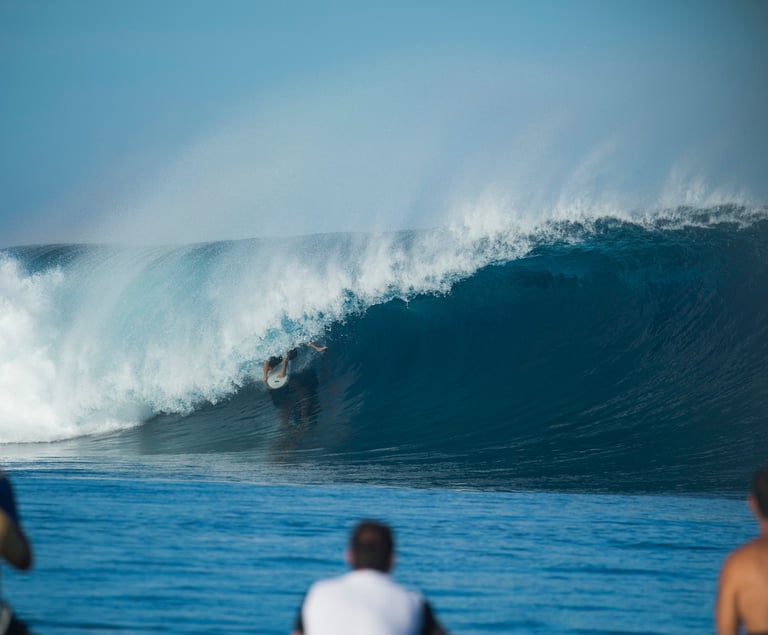
Fiji makes sense in this window if you want a premium reef trip and you’re happy building the whole mission around wave quality.
April to June is when the South Pacific starts delivering more regularly, and Fiji’s outer reefs begin to do what made the place famous in the first place.
April and May are often seen as a sweet spot because the swell is turning on while conditions can still stay a little cleaner and less locked into full trade-wind mode than deeper into winter. By June, the season feels properly awake.
What you’re really signing up for here is outer reef surfing. Fiji is not a “lots of different wave types” destination in the same way Mexico or even South Sumatra can be. It is more focused than that. Long walls, heavy sections, real barrels, and a lot of power over coral. When it’s good, it is very good. When it’s big, it is serious.
Why this window works
April to June is the start of Fiji’s main surf season. South Pacific swell becomes more consistent, April and May usually feel a little cleaner and less crowded than deeper into winter, and by June the better reefs are properly on.
What kind of waves you’ll find
Fiji is a reef trip. Expect outer-reef waves, long walls, powerful sections, proper barrels, and warm water. It is more focused than places like Mexico or South Sumatra, with fewer everyday options but a very high ceiling when it turns on
Best zones
Mamanuca Islands
This is the heart of surf travel in Fiji and the main reason the country makes this list. It concentrates the best-known waves in the country, including Cloudbreak, Restaurants, Wilkes, Namotu Lefts, Tavarua Rights, and Swimming Pools, giving you everything from heavy reef surf to more manageable, high-quality waves in a relatively compact zone.
Coral Coast
This is the second major surf zone and a very good alternative to the Mamanucas. It includes waves like Frigates, Fiji Pipe, Hideaways, J’s, Shifties, and Serua Rights, with a mix of heavier reefs, long walls, and less crowded options depending on swell and wind.
Other good zones
Further options exist beyond the two main areas, especially for surfers staying outside the classic resort zones, but most surf trips in Fiji are built around either the Mamanucas or the Coral Coast because that is where the strongest mix of quality, access, and consistency sits.
Ideal surf level
Best for confident intermediate-advanced to advanced surfers. A strong intermediate can absolutely have a good trip in the right zone and size range, but Fiji makes the most sense if you are already comfortable on reef.
Trip reality
Fiji is a premium reef trip. The wave quality is real, the water is warm, and the top-end sessions can be incredible. The trade-off is that it is usually more expensive, more resort- or boat-based, and less flexible than something like Nicaragua or South Sumatra.
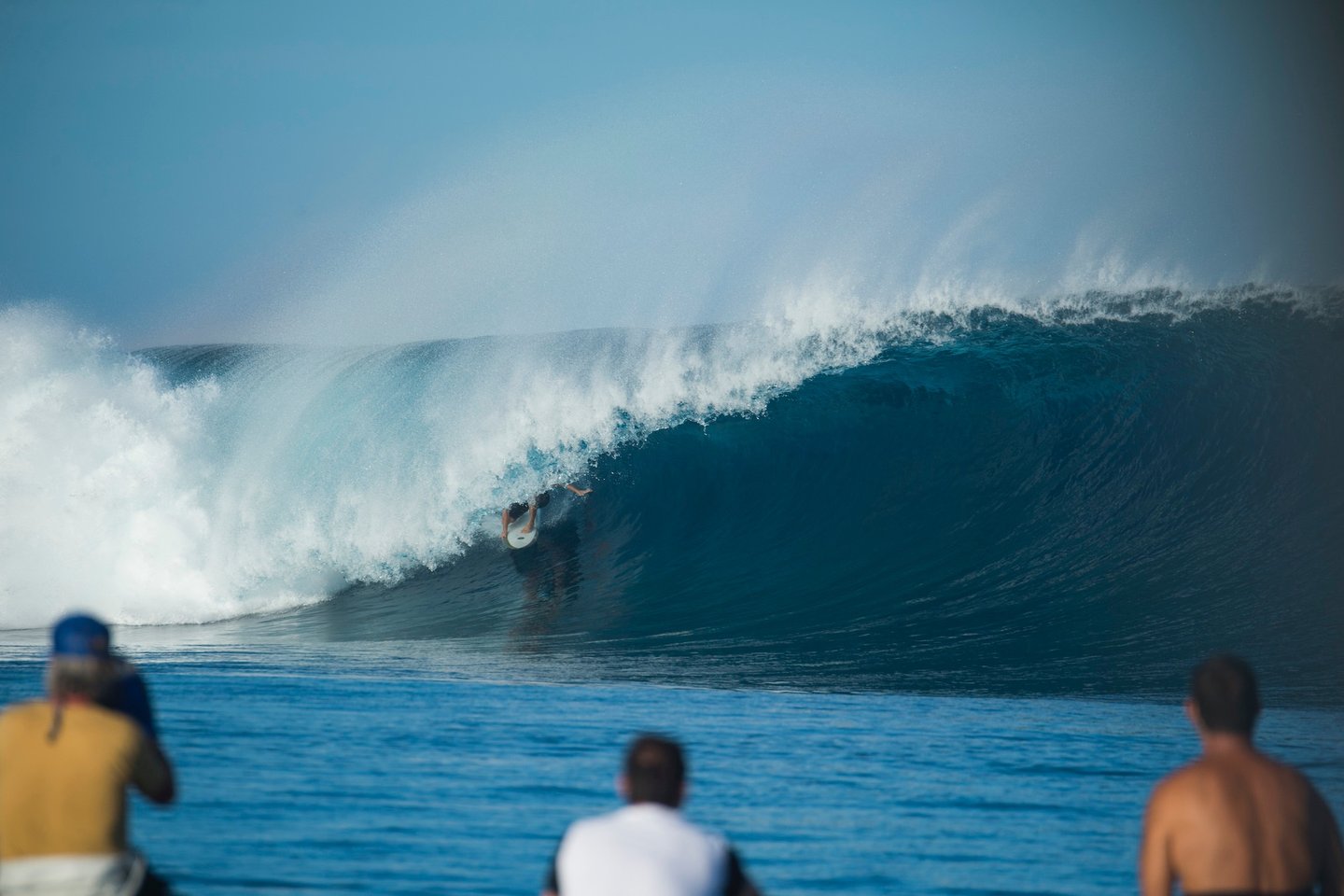
4) Mexico
Mexico works in this window because it gives you options.
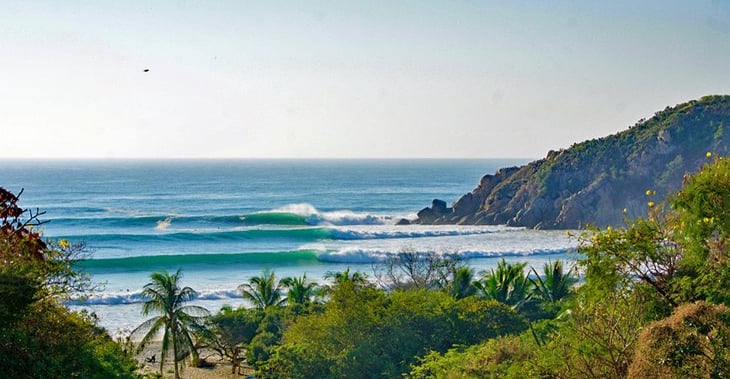
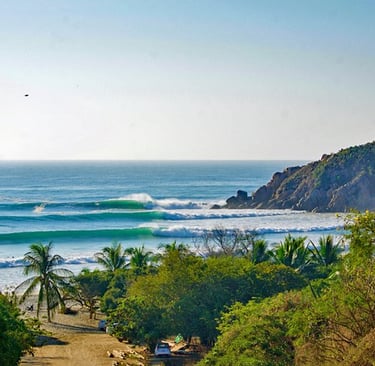
From April to June, south swells begin pushing into the Mexican Pacific with more consistency, and the whole coast starts to wake up. April can still feel like the season is building, May gets more reliable, and by June several zones are properly on. What makes Mexico strong here is not just wave quality, but range. You can build the trip around heavier surf, cleaner points, warm-water beachbreaks, or a mix of all three.
That flexibility is what makes the country stand out. In the Puerto Escondido region, the story is bigger than Zicatela. Yes, that wave starts showing its real power once the south swell season begins, but nearby options make the region far more usable for surfers who want variety without every session feeling like a proving ground.
Further down the coast, Salina Cruz gives the trip a completely different feel. Long right points, strong south swell exposure, and a setup that rewards mobility and local knowledge. It is less about parking in one town and more about moving with the conditions.
That is why Mexico sits at number four. It offers more range than Peru, but it is not as simple or as rhythm-based as Nicaragua. For the right surfer, it can absolutely be the better trip. The key is knowing what you want before you go.
Why this window works
April to June is when south swell starts properly filling in along the Mexican Pacific. April can still feel like the season is building, May gets more reliable, and by June the better-known zones are usually properly awake. It is one of the best windows if you want warm water, real swell, and enough options to shape the trip your way.
What kind of waves you’ll find
Mexico gives you more range than most trips on this list. Heavy beachbreaks, long rights, lined-up points, and more approachable beachbreaks all in the same broader region. It can be serious if you want it to be, but it does not have to be.
Best zones
Puerto Escondido region
The main draw here is range. It is not just Zicatela. The region mixes powerful beachbreak surf with more manageable nearby options, which is what makes it useful for a broader range of surfers in this season. The best run for Puerto itself starts around May and gets more consistent through summer.
Salina Cruz / Southern Oaxaca points
This is the more focused mission. Long right points, strong S to SW swell exposure, and a trip that rewards mobility and local knowledge. For many surfers, this is the highest-quality side of Mexico in this window, especially from May into June.
Other Oaxaca beachbreak zones
These are what keep the trip balanced. Warm water, daily surf, and less pressure than the marquee waves. They matter more than people think, especially for strong intermediates who want a full trip, not just a few heavy sessions.
Best for
Intermediate-advanced surfers who want warm water, real swell, and enough wave variety to shape the trip around their level and mood.
What to keep in mind
Mexico has range, but it rewards planning. It gets much better when you know what type of surf you’re actually chasing before you book the trip.
3) Nicaragua
Nicaragua is the easiest trip on this list to simply enjoy, and that is exactly why it belongs this high.
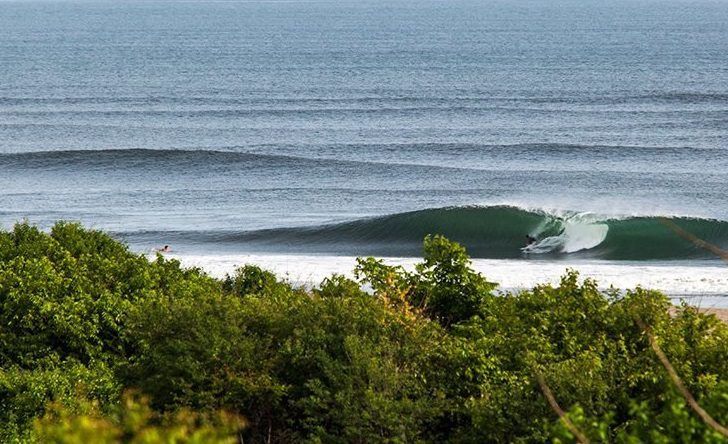
From April to June, the first real south swells begin filling in while the country’s famous offshore wind pattern is still doing a lot of the work for you. April can still feel a little softer and cleaner. May is when the season starts to properly connect. By June, the whole thing feels more alive. It is not the most exotic trip here, and it does not have the same ceiling as Indonesia, but few places in this window offer the same mix of clean conditions, warm water, and daily surf rhythm.
What makes Nicaragua different from Mexico is that the trip usually feels more settled. Less moving, less guesswork, fewer moving parts. You can base yourself well and surf a lot without constantly chasing the coast. The waves are mostly punchy beachbreaks and reef setups, with enough variety to keep the trip interesting but not so much that it becomes complicated. It suits surfers who value consistency over drama and want a trip where the odds of good daily sessions stay high.
Best zones
Tola / Popoyo region
This is the main surf zone in Nicaragua and the easiest place to build a full trip around. You’ve got a dense stretch of waves here, including Popoyo, Popoyo Outer Reef, Santana, Rosada, Panga Drops, and Colorado, offering everything from approachable reefs and playful walls to heavier, more demanding surf.
San Juan del Sur side
Less core than Tola for pure surf quality, but still worth mentioning for surfers who want a more social base and easier travel rhythm. Waves like Maderas, Remanso, Hermosa, and Yankee can keep a trip going, especially if you’re not building the whole mission around the heaviest waves.
Northern Nicaragua / El Transito side
A less talked-about part of the country, but a real option if you want something quieter and outside the classic southern surf circuit. It doesn’t have the same density as Tola, but it gives Nicaragua more range than many people realize.
Best for
Intermediate to advanced surfers who want warm water, reliable wind, and a trip that runs smoothly from start to finish. This is especially good for surfers who want to maximize wave count without giving up quality.
What to know
Nicaragua is not the most varied destination on this list, but that is also part of the appeal. It is one of the few places where a two-week trip can feel simple, productive, and consistently fun without needing too much adjustment once you arrive.
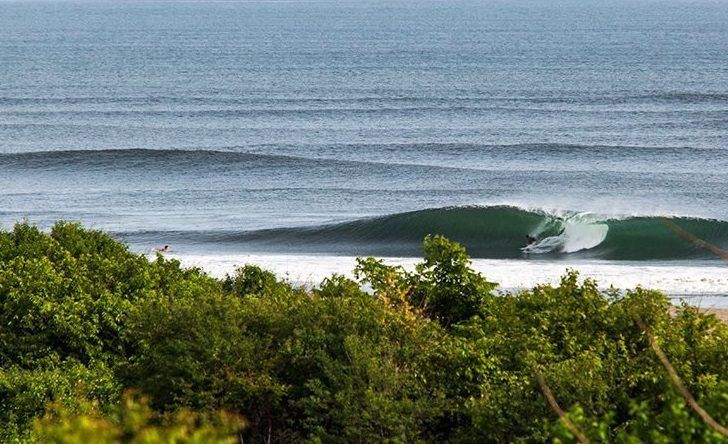
2) South Sumatra
South Sumatra is one of those trips that feels especially good in this part of the year because the coast starts coming to life before the busiest stretch of the season. The swells are already showing, the points begin to find their rhythm, and the lineups usually still have a lot more space than they will later on. That changes the whole feel of the trip. You are not just chasing quality waves here, you are getting them in a more relaxed setting, with less pressure and more freedom to move around.
What makes South Sumatra so good in this window is that the trip is not built around one famous wave. It is built around a coastline with options. Some days you want a long, open-faced point. Some days you want something heavier and more technical. Some days you just want to surf a fun, rippable wall without dealing with a stacked lineup. South Sumatra gives you that mix, and that is why it fits so well at number two.
Best zones
Krui coastline
This is what makes South Sumatra such a good trip. Long points, heavier reefs, and a few beachbreaks all sit close together, which gives the region much more variety than it gets credit for.
Ujung Bocur
The best-known wave in the area and one of the most consistent. A long left point with plenty of wall and a very easy wave to build a trip around. If you want to stay right in front of it, [The Ujung Bocur Bungalows] is one of the best options in the zone.
Way Jambu area
This is where the coast gets sharper. Faster, hollower, and more demanding, it adds the extra edge that keeps stronger surfers interested.
Other good zones
That is the strength of South Sumatra. It is not just one wave, but a whole coastline with enough variety to keep the trip interesting. For the full breakdown, check our [South Sumatra Surf Guide].
Best for
Intermediate to advanced surfers. Strong intermediates can have a very good trip here, especially around the points and more manageable reefs. Advanced surfers still have enough consequence nearby to stay interested.
What to know
South Sumatra is less polished than Mentawai, but that is part of the appeal. It is better value, easier to enjoy for more surfers, and still feels like a proper surf mission. If Mentawai is the dream trip, South Sumatra is the one that often makes the most practical sense without giving away too much in wave quality.
1) Mentawai Islands
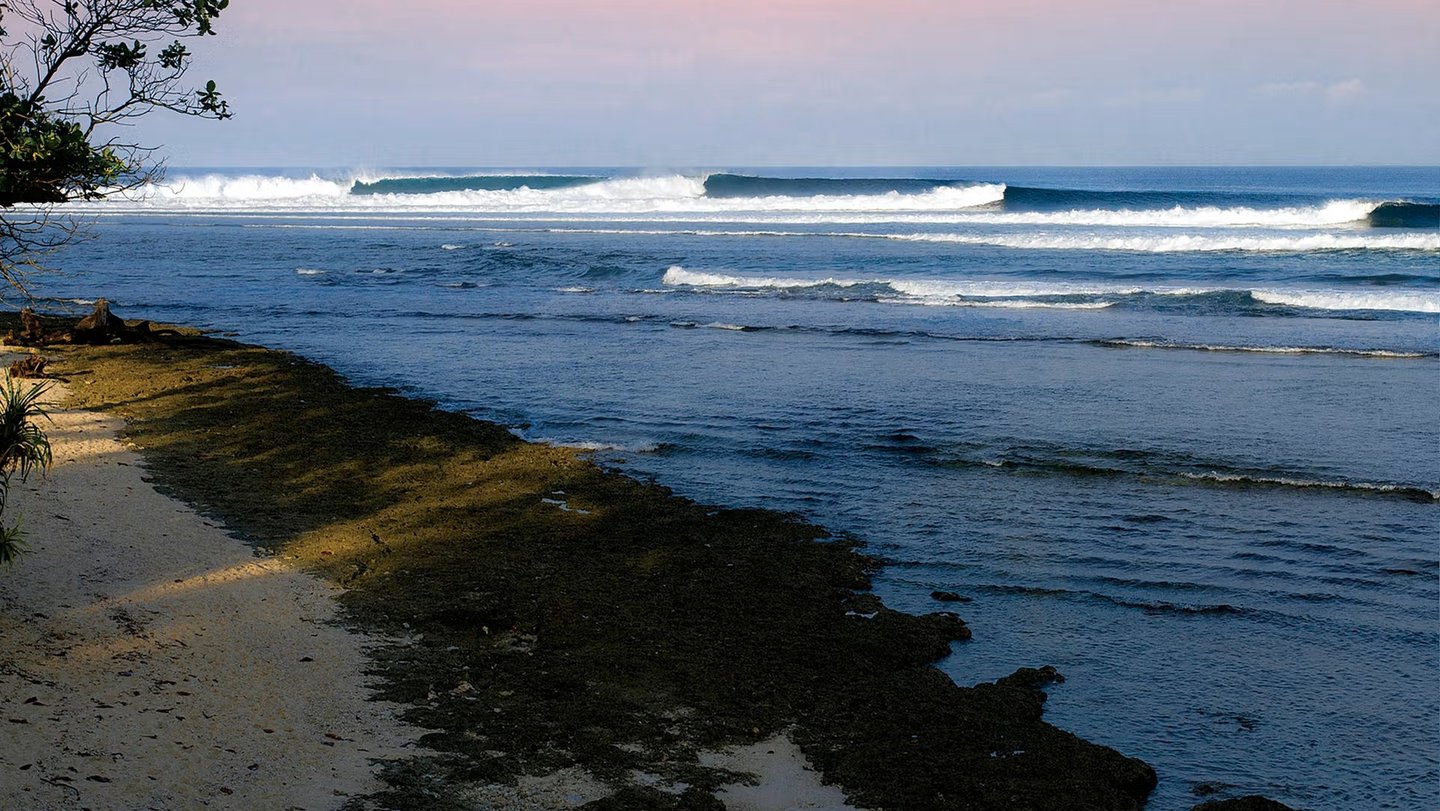
For April to June, Mentawai is still the benchmark.
This is the part of the year when the region starts delivering the kind of surf people fly across the world for. Long-period south and southwest swells become more consistent, the reefs begin to properly turn on, and the season still feels a little less saturated than the peak months deeper into the dry season. That matters. You’re getting real Mentawai quality, but often with a little more space in the lineup and a little more freedom to move.
What makes this window so good is the balance. You’re early enough to avoid some of the heavier peak-season pressure, but late enough to tap into serious Indian Ocean energy. April can already produce excellent surf, May gets more reliable, and by June the region is fully awake. If you want a high-level Indo trip without jumping straight into the busiest part of the year, this is a very smart time to go.
Best zones
Playgrounds
The easiest part of Mentawai to build a trip around. Huge wave density, short boat rides, and enough variety to match almost any day. If you want a strong base here, [Mentawai Surf Camp] is one of the best options to look at.
Sipora
A broader-feeling zone with more spread-out reefs and very high-quality waves. Better for surfers who want a slightly deeper Mentawai trip beyond the compact Playgrounds setup.
Other good zones
Mentawai stays at the top because it is not just one area, but a whole chain of quality reef zones. For the full regional breakdown, check our [Mentawai Surf Guide].
Other good zones
That is the strength of South Sumatra. It is not just one wave, but a whole coastline with enough variety to keep the trip interesting. For the full breakdown, check our [South Sumatra Surf Guide].
Best for
Intermediate-advanced to expert surfers who are comfortable on reef and want the highest-quality waves on this list.
What to know
If your priority is pure wave quality in this season, Mentawai is still the one to beat. It is remote, expensive, and not especially forgiving, but from April to June it offers one of the best combinations of swell, quality, and early-season opportunity anywhere in the world.